Publications
Focused analysis of emerging governance challenges.
 Policy Brief
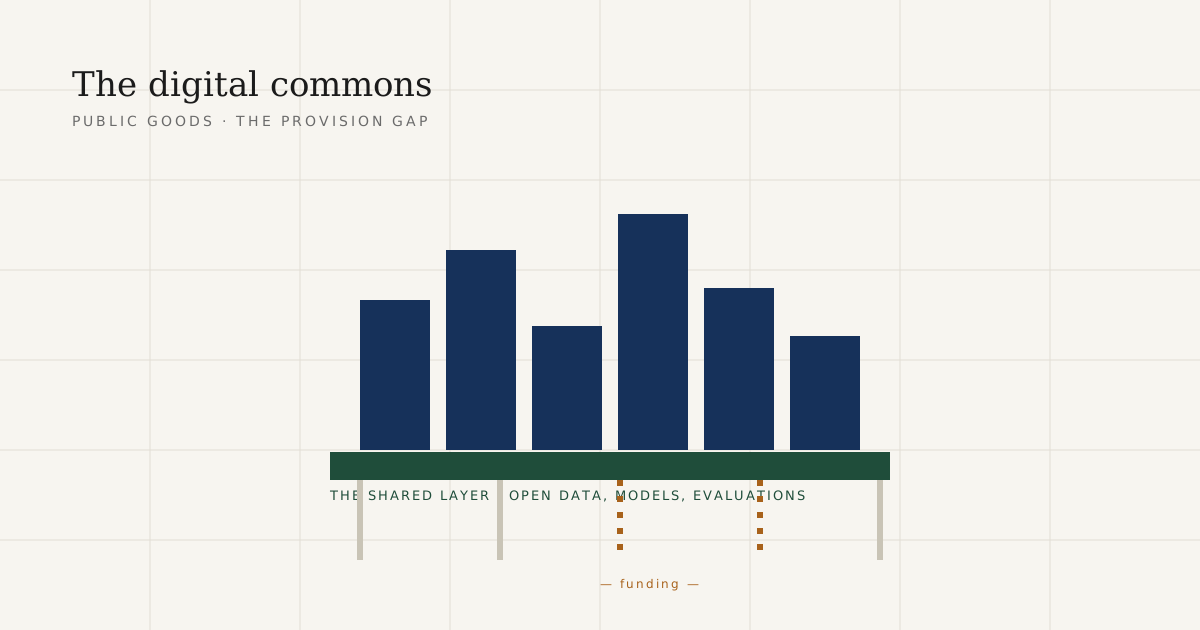
Everyone Builds on the Commons. No One Funds It.
The open datasets, models and safety tools much of the AI industry learned from were assembled by volunteers on donated compute. Recognition has arrived, and so has the first real money. What no one has funded is the unglamorous work of keeping the commons current — a foreseeable, financeable shortfall.
 Policy Brief
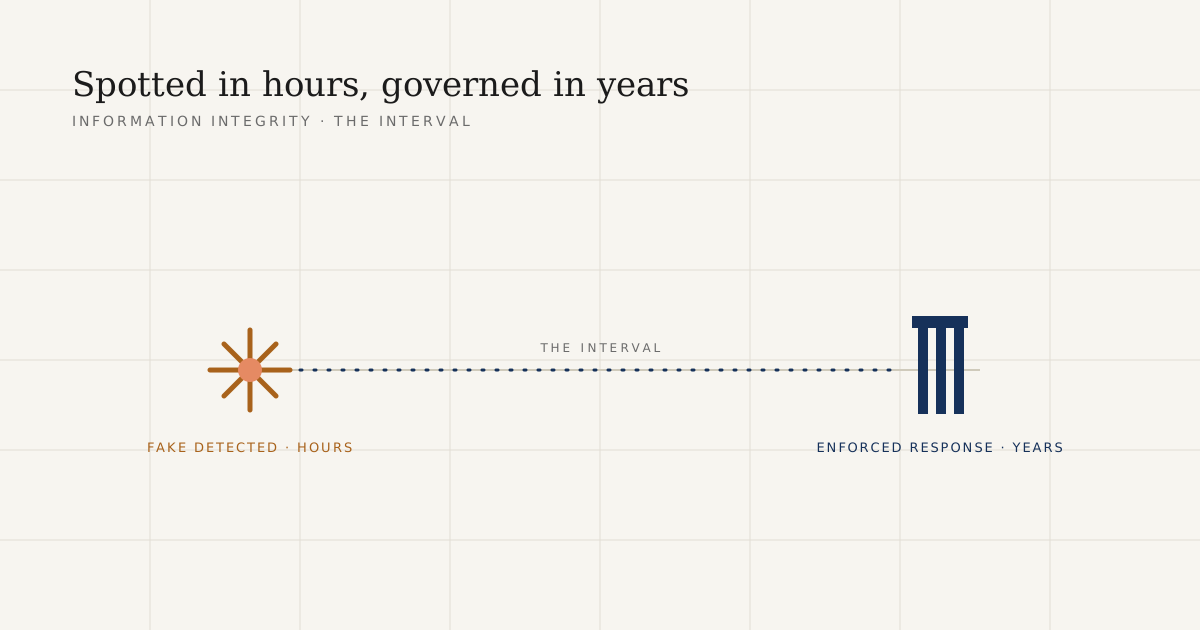
Spotted in Hours, Governed in Years
The fake Biden robocall was caught within a day. Eighteen months later a jury acquitted the man who admitted making it, and the federal fine went unpaid. With deepfakes now routine in the 2026 campaigns, the gap that decides outcomes is the one between detection and an enforced response.
The Last Mile of Adaptation
The instruments to move disaster money before a storm exist, and they work. Why they still cover a fraction of the risk — and why sending more money closes only half of a gap that local governments now carry alone.
 Essay
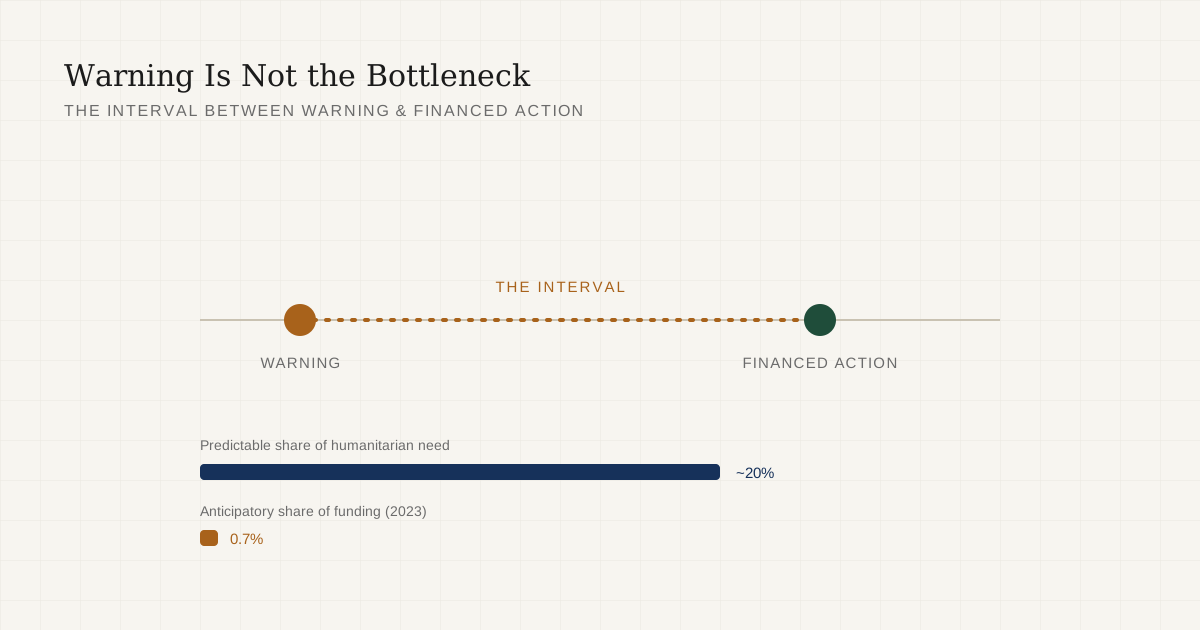
EssayWarning Is Not the Bottleneck
In 2023, under one per cent of humanitarian funding was committed ahead of the shocks it was meant to meet — even though about a fifth of need is predictable. The failure is rarely detection; it is the interval between a credible warning and financed action.
 Policy Brief
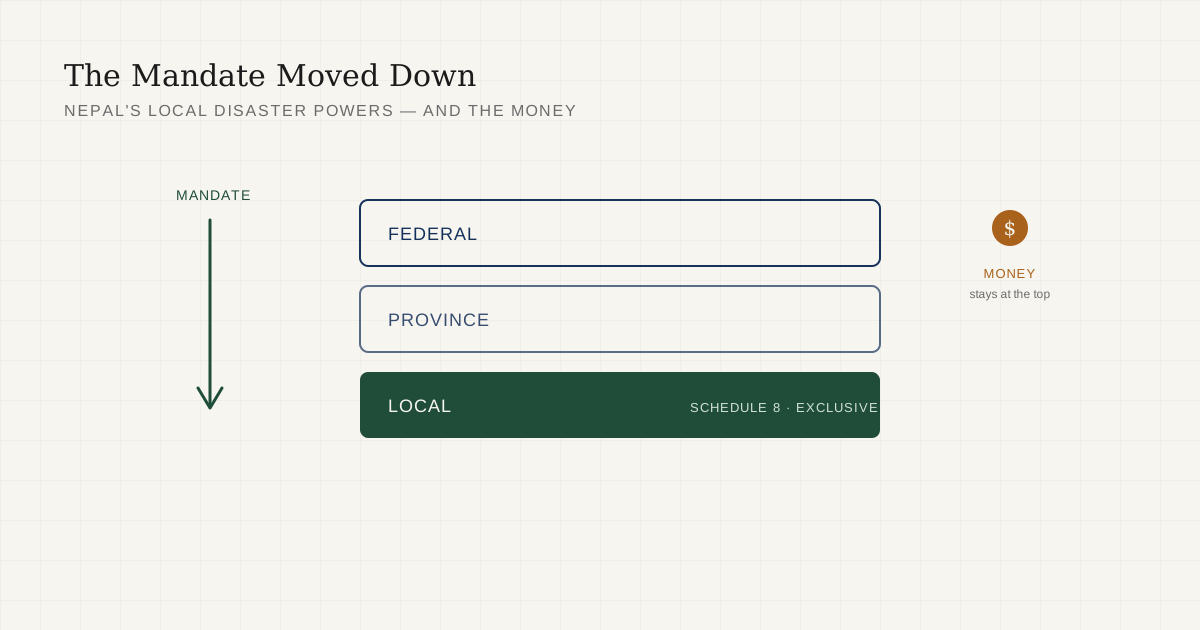
Nepal's Local Disaster Mandate, Without the Money
Nepal's 2015 Constitution puts disaster management in local hands — and shares it across every tier. The finance stayed at the top. This brief maps the mandate against the money that reaches the local level, and sets out three financing options for the ministries that could close the gap.
 Policy Brief
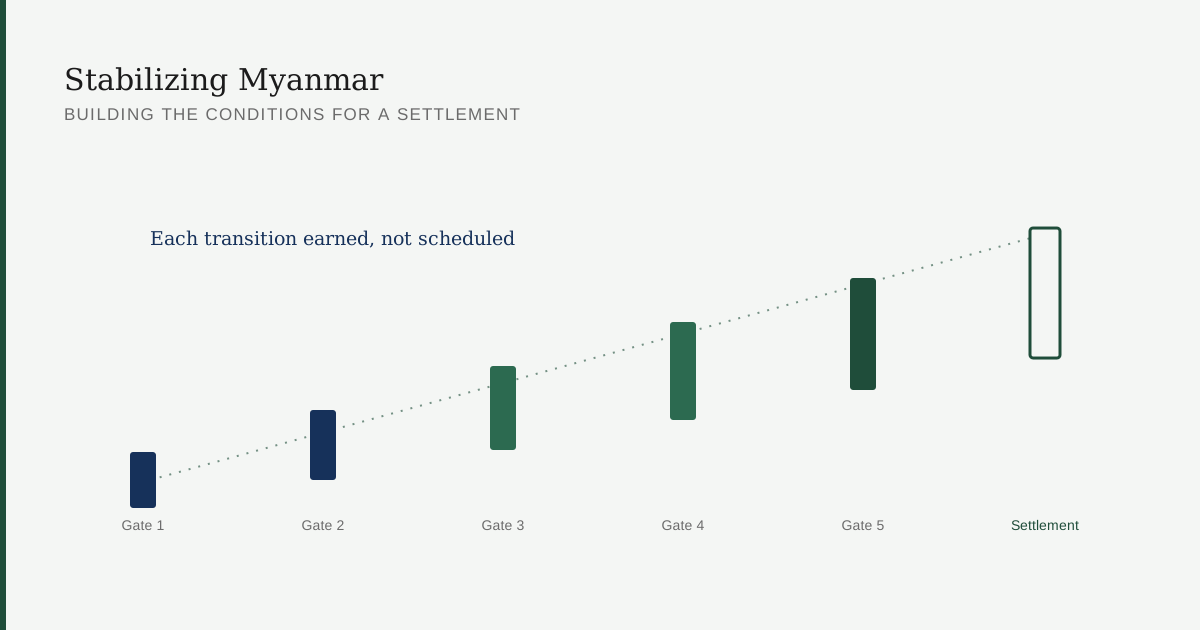
Stabilizing Myanmar: Building the Conditions for a Settlement
A policy brief on how regional and external actors can help create the conditions for a negotiated settlement in Myanmar. Its central argument is that the conflict is not yet 'ripe' for negotiation — the actors who would have to sign do not yet see a reason to. The immediate task is therefore not to table a peace plan but to shape the humanitarian, economic, diplomatic, and institutional conditions under which negotiation becomes the rational choice, while preparing the settlement architecture as the destination rather than the opening move.
 Essay
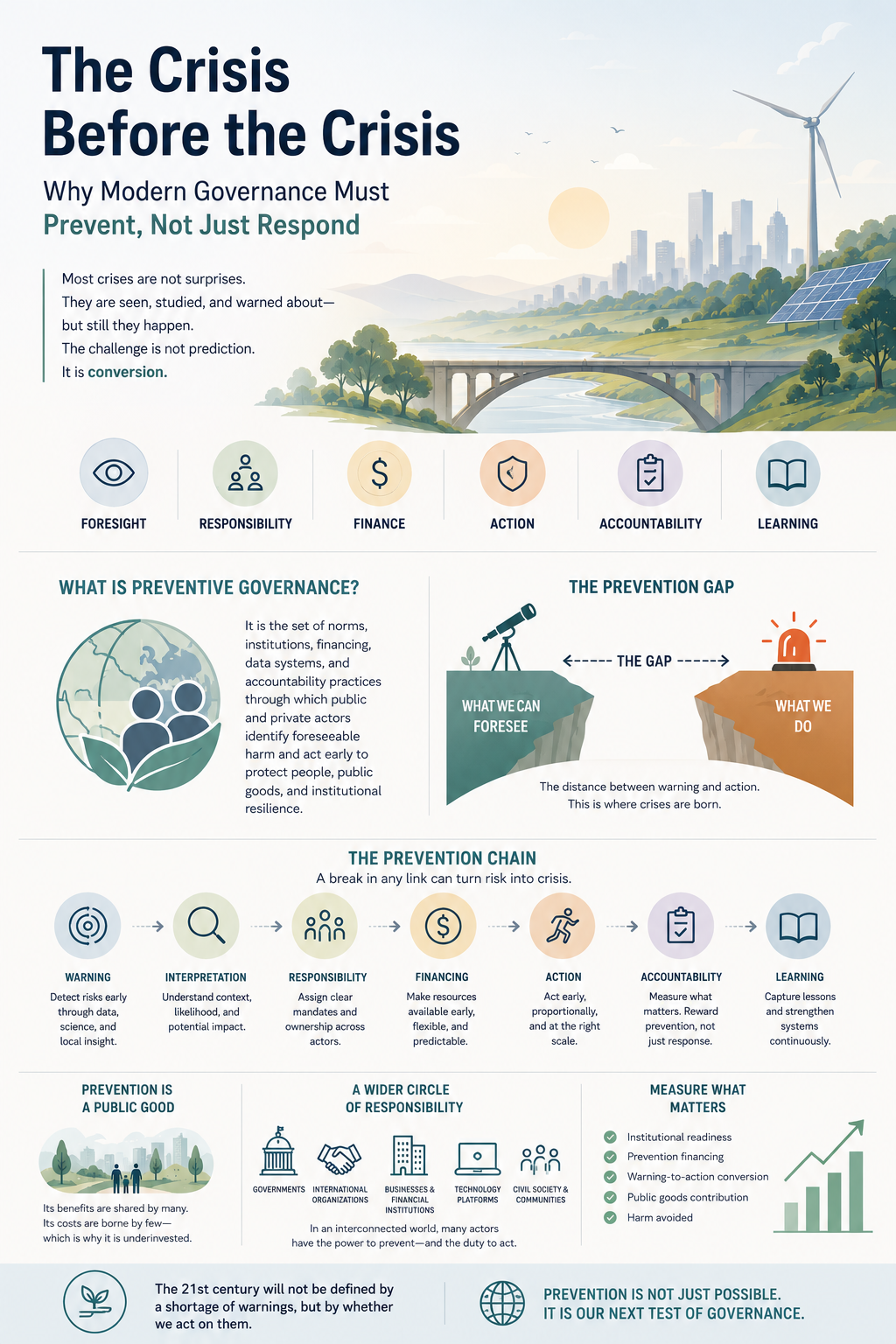
EssayThe Crisis Before the Crisis
Why modern governance must learn to prevent, not just respond. From pandemics and climate disasters to financial shocks and artificial intelligence, today's defining crises are rarely surprises. This essay proposes preventive governance as a framework for the twenty-first century — one that judges institutions not only by how they respond to crises, but by how effectively they prevent them.
 Policy Brief
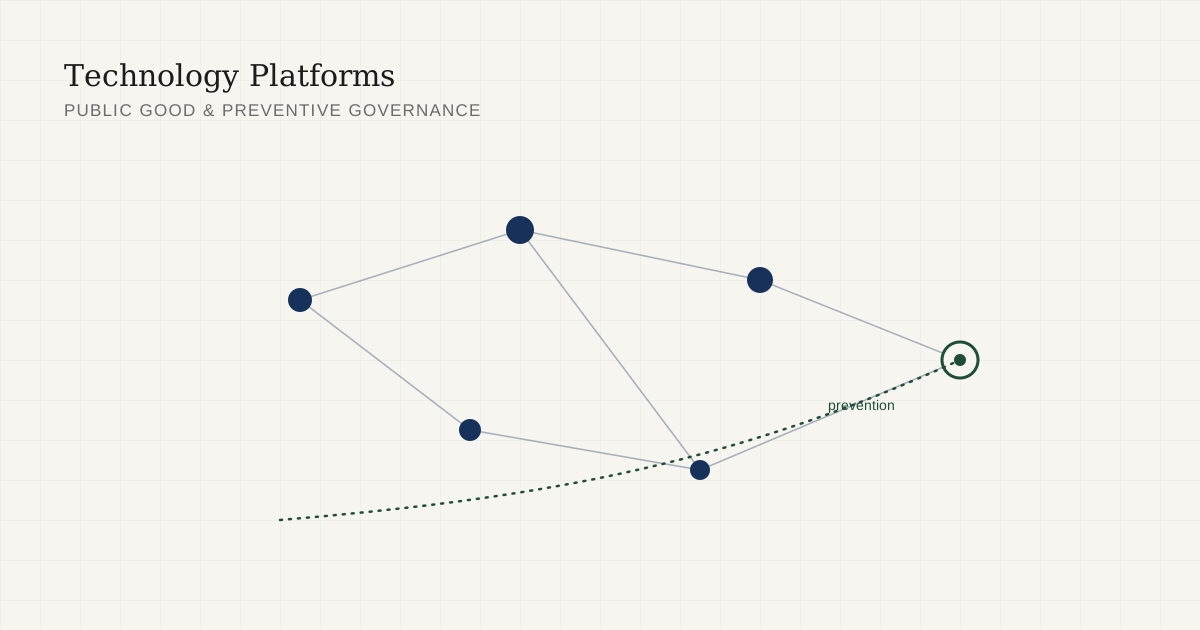
Technology Platforms, Public Good & Preventive Governance
Major platforms have spent more on trust and safety than at any point in their history, yet the harms that spending was meant to contain keep multiplying. This brief argues the problem is timing, not effort: platform governance is optimised for detection and response, not anticipation. It applies the Prevention Architecture to four domains, sketches four futures for platform governance to 2035, and sets out what a shift from reactive moderation to preventive governance would require.
What we observed, and what we made of it
Occasional updates with recent observations, new analysis and what the Lab is watching next. Easy to unsubscribe.